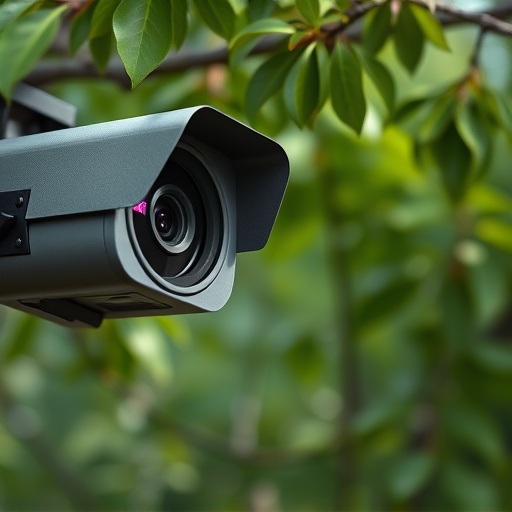
Uncover Legal Hidden Camera Placement Spots
Hidden surveillance devices, governed by Legal Hidden Camera Placement Guidelines, require careful b.......
Read more →
In an era where surveillance technology is becoming increasingly sophisticated, the discussion around Legal Hidden Camera Placement Guidelines has never been more critical. These guidelines are the cornerstone of a delicate balance between ensuring public safety, maintaining privacy rights, and upholding ethical standards in the use of hidden cameras. This comprehensive article aims to dissect this intricate topic, exploring its historical evolution, global implications, technological aspects, regulatory frameworks, and real-world applications. By delving into these various facets, we will equip readers with a profound understanding of the guidelines' significance and their role in shaping our surveillance-driven society.
Definition: Legal Hidden Camera Placement Guidelines refer to a set of legal principles, regulations, and best practices that govern the strategic placement and utilization of hidden cameras (or covert surveillance devices) by law enforcement agencies, private entities, or government bodies. These guidelines are designed to ensure that the use of such technology is both lawful and ethical, respecting individual privacy while allowing for effective monitoring in specific contexts.
Core Components:
Legality: The primary mandate is to ensure that hidden camera placement complies with relevant laws and regulations, varying across jurisdictions. This includes obtaining necessary permits or authorizations.
Privacy Protection: These guidelines emphasize the need to minimize intrusion into privacy while recognizing legitimate surveillance needs. They often dictate the types of areas (e.g., public vs. private) where such devices can be installed.
Proportionality: The use of hidden cameras should be proportional to the potential risks or crimes they aim to address, avoiding excessive or arbitrary monitoring.
Transparency and Accountability: Organizations deploying hidden cameras must be transparent about their surveillance practices and accountable for any misuse or privacy breaches.
Historical Context:
The concept of hidden camera placement has evolved alongside technological advancements. Historically, such practices were often shrouded in secrecy, raising concerns about abuse and erosion of civil liberties. Public awareness and the advent of digital technology have led to a more regulated approach. Over time, guidelines have been developed to address ethical dilemmas, privacy rights, and the effective use of surveillance as a crime-fighting tool.
The influence of Legal Hidden Camera Placement Guidelines extends far beyond national borders, given the global nature of modern technology and international cooperation in law enforcement.
International Influence:
European Union (EU): The EU has been at the forefront of privacy regulations, such as the General Data Protection Regulation (GDPR), which sets stringent standards for data collection and processing. These guidelines have indirectly shaped hidden camera placement by emphasizing transparency and user consent.
United States: US state laws vary widely regarding hidden camera usage, with some states having strict regulations while others are more permissive. The Electronic Surveillance Act and the Wiretapping Act are key federal legislations that govern electronic surveillance.
Asia-Pacific Region: Countries like China and India have implemented comprehensive surveillance systems, but their guidelines often lack transparency and accountability measures. In contrast, Australia and New Zealand have developed relatively robust frameworks that balance privacy and security interests.
Trends Shaping the Trajectory:
Increasing Surveillance Awareness: Global events and revelations about mass surveillance programs have heightened public scrutiny, pushing governments to adopt more transparent practices.
Technological Advancements: The proliferation of high-tech cameras, thermal imaging, and facial recognition software has led to more sophisticated surveillance capabilities but also raised ethical concerns.
Data Privacy Laws: Stringent data protection laws worldwide are influencing the design and implementation of hidden camera guidelines to ensure compliance with privacy regulations.
The economic landscape surrounding Legal Hidden Camera Placement Guidelines is complex, involving various stakeholders and market dynamics.
Market Dynamics:
Surveillance Technology Industry: This sector includes manufacturers, distributors, and installer/maintaining companies. The demand for hidden cameras is influenced by government policies, law enforcement needs, and privacy concerns.
Legal Services: Legal firms specializing in privacy and surveillance laws play a crucial role in advising clients on compliance with guidelines, adding to the economic activity.
Investment Patterns:
Public Sector Investment: Governments allocate funds for surveillance infrastructure, particularly in critical areas like transportation hubs and public safety hot spots.
Private Sector Investments: Businesses invest in hidden cameras for security purposes, contributing to the overall market growth but raising concerns about privacy intrusions.
Economic System Impact:
Effective guidelines can stimulate economic growth by fostering innovation and ensuring a robust surveillance technology sector. However, stringent regulations may also lead to increased operational costs for law enforcement agencies and private organizations, potentially impacting their budgets.
Technological innovations have significantly shaped the realm of hidden camera placement, enhancing capabilities while posing new challenges.
Key Advancements:
Miniaturization: Tiny, undetectable cameras that can be embedded in everyday objects or worn as accessories have revolutionized surveillance, raising concerns about consent and privacy invasion.
Wireless Connectivity: The integration of Wi-Fi and Bluetooth technologies allows for remote access and real-time monitoring, increasing the accessibility but also the risk of unauthorized access.
AI Integration: Artificial Intelligence (AI) enhances video analysis, enabling automatic object recognition, facial detection, and behavior pattern identification, improving efficiency but requiring careful ethical considerations.
Challenges and Considerations:
Privacy Concerns: The widespread use of advanced technology raises red flags about data collection, storage, and potential misuse, necessitating robust data protection measures.
Ethical Use: AI-driven surveillance must be governed by ethical guidelines to prevent bias and ensure fairness in decision-making processes.
Regulations form the backbone of Legal Hidden Camera Placement Guidelines, providing a legal framework for their implementation.
Key Regulatory Aspects:
Permission/Warrants: Most jurisdictions require law enforcement agencies or private entities to obtain warrants before deploying hidden cameras, ensuring due process and accountability.
Specificity and Limitation: Guidelines dictate the types of areas (e.g., crime scenes, public spaces) where cameras can be placed, focusing on specific needs rather than blanket surveillance.
Data Protection: Regulations often mandate secure data storage, encryption, and anonymization practices to safeguard personal information collected through hidden cameras.
Regular Review and Audit: Independent bodies are tasked with periodically reviewing the implementation of guidelines to ensure compliance and make recommendations for improvement.
Understanding these guidelines in practice involves examining their application in various scenarios.
Case Study 1: Public Transportation Surveillance
Many cities have implemented hidden camera networks in public transport hubs and vehicles to deter crime and terrorism. Such systems are designed to capture license plate numbers, monitor passenger behavior, and aid in emergency response. The success of these initiatives depends on strict adherence to guidelines, ensuring that the placement is limited to high-risk areas and that data collection is secured to protect passengers' privacy.
Case Study 2: Private Security Camera Systems
Businesses and homeowners increasingly use hidden cameras for security purposes. While these systems may help deter crime, they also raise concerns about privacy invasion if not installed and operated responsibly. Guidelines should balance the need for business owners to protect their assets with the right of individuals to privacy in non-public areas.
Despite significant progress, Legal Hidden Camera Placement Guidelines face ongoing challenges that require innovative solutions.
Challenges:
Technological Outpacing Regulations: The rapid pace of technology advancement often outstrips regulatory frameworks, creating loopholes for abuse or privacy breaches.
Balancing Privacy and Security: Achieving a harmonious balance between ensuring public safety through surveillance and protecting individual privacy remains an ongoing struggle.
Future Directions:
AI and Ethical Guidelines: Developing robust ethical guidelines for AI-driven surveillance is essential to address bias, data protection, and transparency concerns.
International Collaboration: Harmonizing guidelines globally can help combat cross-border criminal activities while ensuring consistent privacy protections.
Public Engagement: Increasing public awareness and involvement in discussions about surveillance ethics can lead to more informed and trusted policies.
Legal Hidden Camera Placement Guidelines are a critical component of modern surveillance practices, aiming to bridge the gap between security needs and individual freedoms. As technology continues to evolve, so too will these guidelines, reflecting societal values, legal principles, and ethical considerations. By staying informed, engaging in open dialogue, and adopting a proactive approach, we can shape a future where hidden camera placement serves as a powerful tool for good while upholding the rights and dignity of every individual.